.png)
Clenching & Grinding: What Stress Could Be Doing to Your Smile

Stress can show up in many ways — and sometimes, it reveals itself in places you might not expect.
Clenching and grinding, also known as bruxism, are common habits that often go unnoticed. Many people aren’t aware they’re doing it, especially when it happens during sleep. But over time, these patterns can have a significant impact on your teeth, jaw, and overall comfort.
What Is Clenching and Grinding?
Clenching refers to holding the teeth tightly together, often during times of stress or concentration. Grinding involves moving the teeth against each other, typically during sleep.
While occasional clenching may not seem like a concern, repeated pressure over time can lead to wear, tension, and strain on the jaw.
Signs You May Be Clenching or Grinding
Because bruxism often happens subconsciously, the signs can be easy to miss. Some common indicators include:
Jaw soreness or tightness, especially in the morning
Frequent headaches or tension in the temples
Worn, flattened, or chipped teeth
Increased tooth sensitivity
Clicking or discomfort in the jaw joint
If these symptoms sound familiar, it may be worth taking a closer look at what your body is trying to tell you.
The Connection Between Stress and the Jaw
Stress is one of the most common contributors to clenching and grinding. When the body is under tension, that stress can be held in the muscles — including those in the face and jaw.
Over time, this constant tension can lead to fatigue in the muscles, discomfort in the joints, and added pressure on the teeth.
What starts as a response to stress can gradually become a habit, continuing even when you’re not actively aware of it.
The Impact on Your Oral Health
Left unaddressed, clenching and grinding can lead to long-term effects such as:
Excessive wear on enamel
Increased risk of cracks or fractures
Gum recession or irritation
Jaw joint discomfort (TMJ-related issues)
These changes don’t always happen overnight, but they can build over time and affect both comfort and function.
A Whole-Health Approach to Treatment
At Rana Dental, we take a comprehensive approach to identifying and managing clenching and grinding.
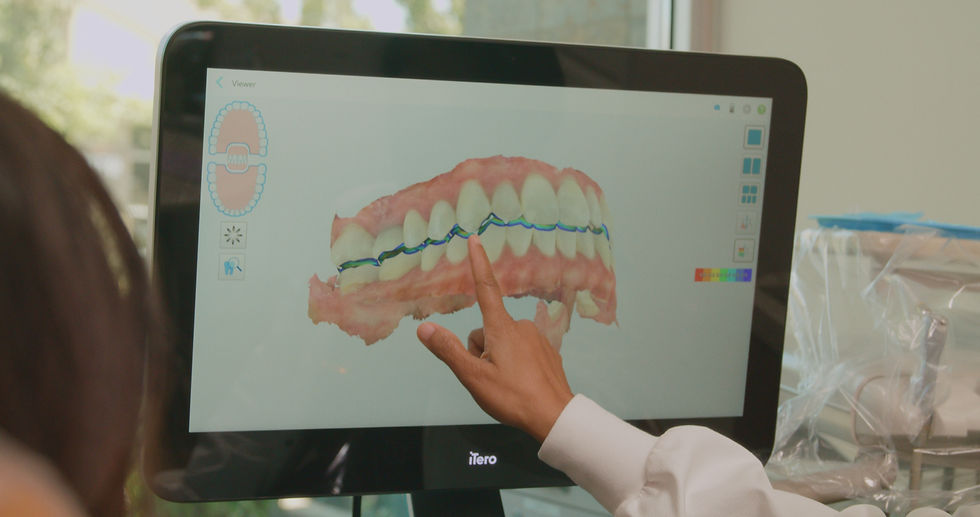
This includes evaluating your bite, jaw alignment, and muscle function to understand what may be contributing to the issue. In some cases, orthodontic treatment or bite adjustment can help reduce strain.
Custom nightguards may also be recommended to protect your teeth while you sleep and relieve pressure on the jaw.
Because stress is often a key factor, addressing lifestyle habits and awareness can also play an important role in long-term improvement.
Listening to the Signs Early
Your body often gives subtle signals before problems become more serious. Paying attention to early signs of clenching and grinding can help prevent more significant damage down the line.
By taking a proactive approach, you can protect your smile and support better overall comfort.
Ready to Learn More?
If you’ve noticed signs of clenching or grinding, or have been experiencing jaw discomfort or headaches, our team is here to help.
Call Rana Dental today to schedule your consultation and learn how we can protect your smile and support long-term comfort.
📞 Rana Dental | 916-774-4499


Comments